The Stack That Works – GitHub and Its Friends
I learned computer science more than 35 years ago as part of my DPhil course in a stout old building on Keble Road, a few doors down from my faculty.

The programming language back then was C and C++. I found it difficult at first but strangely intuitive. Learning C and C++ begins with understanding structured logic—how to break problems into steps using variables, loops, and conditions. You first learn syntax, data types, and functions, then move to memory management and object-oriented concepts. These languages teach precision, efficiency and how computers truly process instructions at a low level. These days, to the young folks, it’s like speaking Aramaic. They think the Python programming language is king. I am quick to remind these youngsters that C and C++ still power critical systems like operating systems, embedded devices, game engines and high-performance applications. Their speed, control over memory, and low-level access make them indispensable in areas where efficiency matters most. And anyway, AI Agents such as Copilot can easily translate between languages.
Back then, everything we did at Oxford was stored and accessed through the University’s mainframe system known as JANET—the Joint Academic Network. JANET was the backbone of academic computing across the UK, connecting universities and research institutions to a shared digital infrastructure. It enabled data storage, communication and early internet access long before cloud computing or personal servers became mainstream. For students and researchers like me, JANET was our gateway to computing, collaboration and discovery. There was only JANET. Dear JANET, I miss you.
Today’s digital landscape is much like economic liberalisation—open, diverse, and full of choices. One of the most exciting shifts has been the rise of no-code platforms, which empower people to build websites and apps without writing a single line of code. Tools like Wix have made their founders incredibly successful by making web creation accessible to everyone.
Personally, I use WordPress for its speed and simplicity. I’ve taught non-programmers to use it and many become confident in just a day. In fact, this blog was built using WordPress.
However, for more advanced projects like www.QuantumPrimates.com, I chose Netlify—a platform designed for professional-grade websites. It offers greater flexibility, performance, and control, especially when working with custom code and modern web technologies. You can see the difference between this blog and www.QuantumPrimates.com even from a superficial perspective. I couldn’t use WordPress to build a sophisticated NFT website, not only for the looks but also functionality. We are in a new game altogether, baby. If you want to know more about the difference between Netlfy and WordPress and other no-code platforms, read about this at the end of this blog.
The biggest challenge I encountered was all the different systems I need to connect with – and pay subscriptions to!!! Ouch. It doesn’t come cheap, this NFT minting activity. My word, I thought building the Fab4050 app was expensive enough but this takes it to a new level! I have listed them here for you with short explanations in case you brave souls want to mint your own.
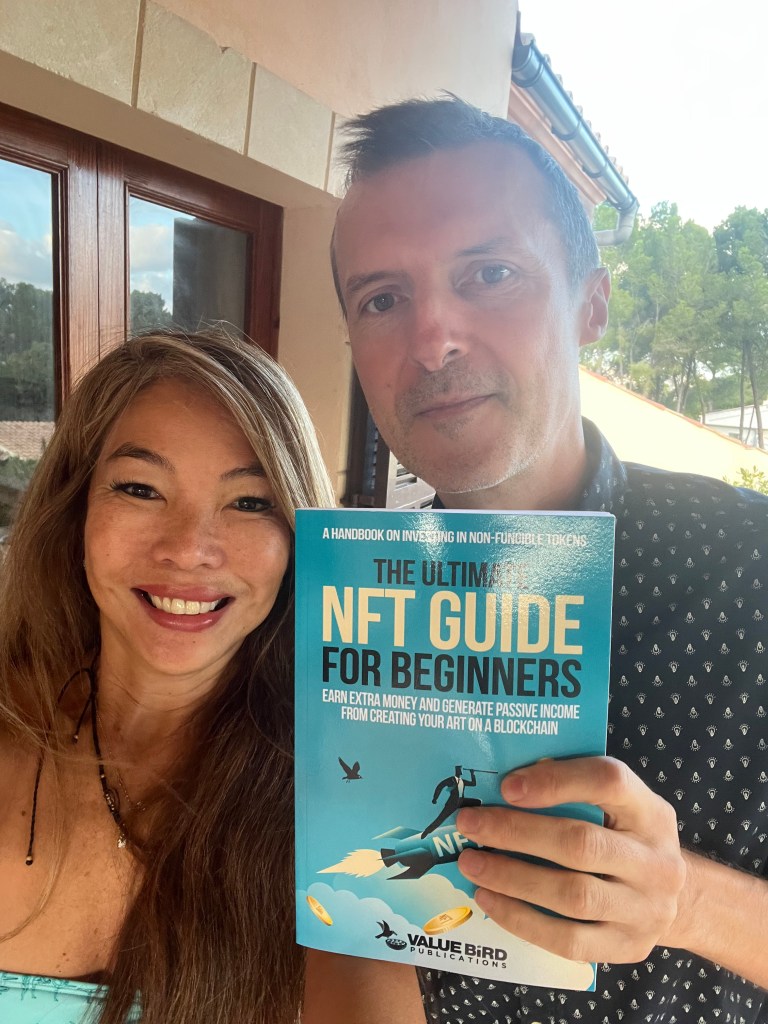
Photo: my and my bestie who is a highly educated German engineer who wrote this book on how NFT works. Link to his book: https://mybook.to/NFT
Tools That Powered My NFT Minting Journey
Minting NFTs wasn’t just about creativity—it was about building a solid digital infrastructure. Here’s why I relied on GitHub, Supabase, Pinata, and Netlify to bring Quantum Primates to life:
GitHub – My Codebase HQ
GitHub is where all the code lives. It’s a version-controlled repository that lets programmers track changes, collaborate and organise the logic behind my NFT minting process. Whether it’s smart contracts, metadata scripts or frontend code, GitHub keeps everything clean, secure and shareable.
Supabase – My Backend Brain
Supabase acts as my database and authentication layer. It stores user data, NFT traits, and minting history. It’s open-source, fast to set up and integrates beautifully with modern web apps. For anyone building a dynamic NFT project, Supabase is a powerful backend without the complexity.
Pinata – My IPFS Vault
NFTs need decentralised storage—and that’s where Pinata comes in. It pins my images and metadata to IPFS (InterPlanetary File System), ensuring they’re tamper-proof and accessible across the blockchain. Without Pinata, my NFTs would be missing their visual soul.
Netlify – My Frontend Launchpad
Netlify hosts my website and minting interface. It’s fast, secure, and perfect for deploying static or dynamic sites. With GitHub integration, every code update goes live instantly. It’s how I made Quantum Primates accessible to the world.
Why Netlify Over WordPress for NFTs
1. Speed & Simplicity
Netlify is built for fast, modern web apps. It deploys your site directly from GitHub in seconds. No plugins, no updates—just clean, efficient code. Perfect for NFT minting interfaces that need to be lightweight and responsive. But tough to get started (IMHO).
2. Developer-Friendly
If you’re working with custom code (React, Vue, or static HTML/CSS/JS), Netlify is seamless. WordPress, on the other hand, is more suited for content-heavy blogs and requires extra setup to handle custom logic or blockchain integrations.
3. Smart Contract Integration
NFT projects often need to connect with wallets (like MetaMask) and run smart contract functions. Netlify supports this easily with frontend frameworks. WordPress would need third-party plugins or heavy customization to do the same.
4. Security & Maintenance
Netlify handles hosting, SSL, and CDN automatically. With WordPress, you’d need to manage updates, plugins, and potential vulnerabilities—especially if you’re storing user data or handling transactions.
5. Scalability
Netlify scales effortlessly as your project grows. Whether you’re launching 100 Quantum Primates or 10,000, it’s built to handle traffic spikes without breaking a sweat.In short: Netlify is built for developers, speed, and flexibility—ideal for NFT drops. WordPress is great for blogs, but not optimised for Web3.
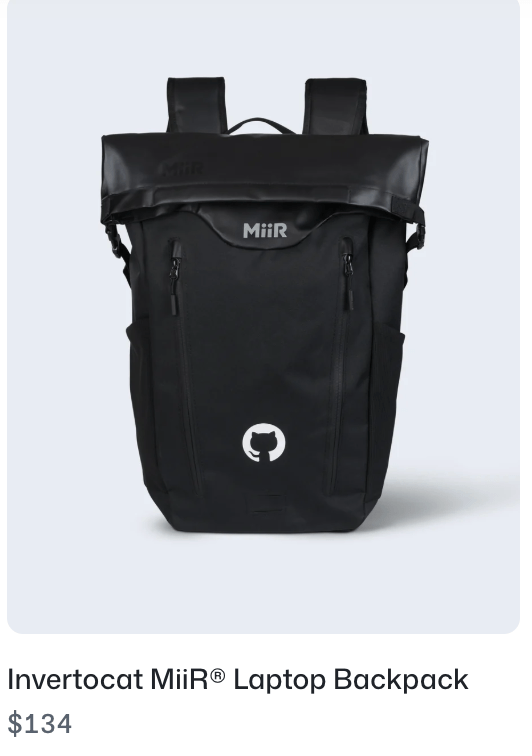
Photo: I am such a GitHub fan these days. Hint: For my birthday/Christmas. Available on the GitHub shop.

 www.Fab4050.com