
“NFTs are dead.” NOT.
NFTs are dead! People kept on telling me.
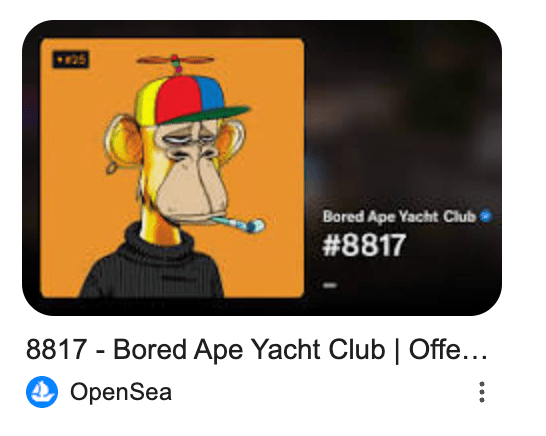
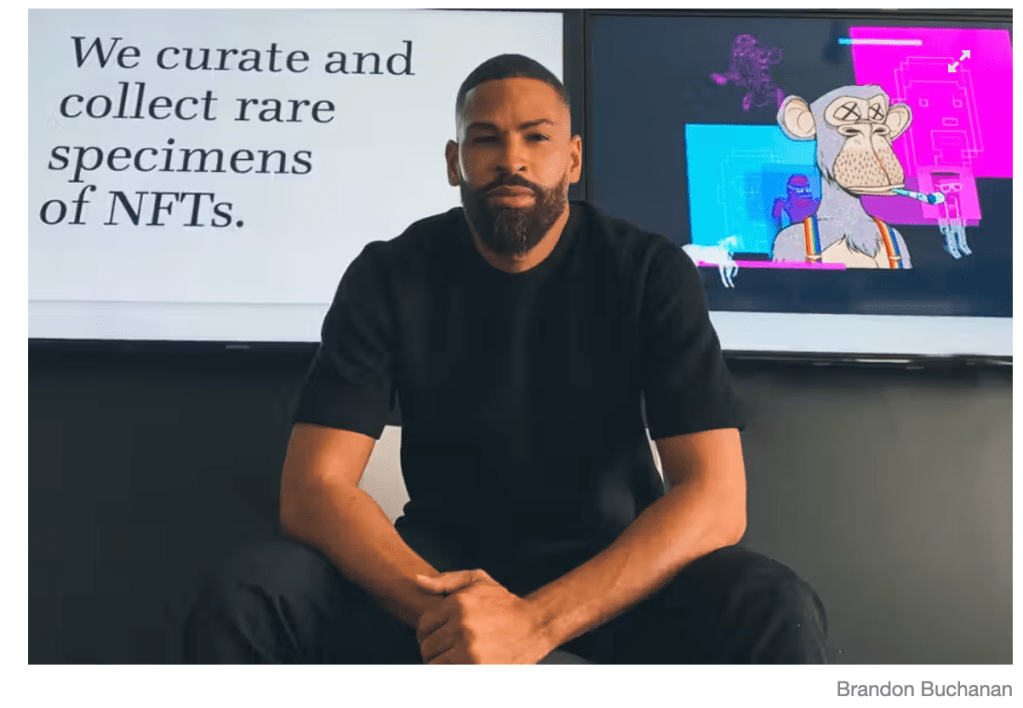
Sure. The early NFT era is dead. The boom was like the dotcom era: wild valuations, hype-driven launches, and million-dollar sales with little substance. The most expensive NFT ever sold is The Merge by the digital artist Pak, which fetched a staggering $91.8 million. The most expensive Bored Ape NFT sold was Bored Ape #8817, which sold for $3.4 million. Its high price was driven by its rare traits and the cultural cachet of the Bored Ape Yacht Club (BAYC), a collection that has become a symbol of status and community in the NFT world. The Bored Ape and his buyer:
But just as the internet matured, so too is the NFT space. The noise is fading, and what remains are projects rooted in real value, meaning, and utility.
For me, NFTs is about Web3, the next evolution of the internet—one that’s decentralised, user-owned, and powered by blockchain technology. Unlike Web2 (which relies on centralised platforms like Facebook or Google), Web3 gives individuals control over their data, identity, and digital assets.Web3 isn’t just a tech upgrade—it’s a philosophical shift toward transparency, autonomy, and creativity.
Key features of Web3 include:
- Decentralisation: No single company owns the network.
- Blockchain-based: Transactions and data are stored securely and transparently.
- Tokenisation: Digital assets like NFTs and cryptocurrencies represent ownership.
- Smart Contracts: Code that automates trust and transactions without intermediaries.
That’s precisely what draws me to Web3—it’s not about following trends, but about shaping the future. I don’t chase hype; I build with intention. My focus is on creating meaningful, enduring experiences that reflect a visionary approach to technology, identity, and digital culture.
And here’s the thing: we have to learn or we get left behind. Remember mobile phones when they were first introduced? People didn’t think they needed these gadgets. But now, even in the most unreachable parts of the world, you can find mobile phone users.
A few other shifts that I noticed:
- Business cards are not so popular anymore. It’s QR codes and NFC taps.
- Websites are no longer the primary interface—apps dominate, even for essential services like banking or securing mortgage deals. I’ve personally had to download an app just to compare loan options.
- Do you still carry cash? Physical wallets are being replaced by digital ones.
- What about cheque books? Handwritten signatures are giving way to biometric authentication.
These shifts aren’t just trends—they’re signals of a deeper evolution in how we interact with technology. Staying informed and adaptable is no longer optional; it’s essential. Invest in a Quantum Primate to be part of the paradigm shift *wink wink* They are beautiful too. Pop over to OpenSea to check them out.