Thriving Through Andropause

Menopausal men. Midlife crisis. It sounds like a joke — until it isn’t. Just like women, men’s bodies shift in midlife too. This phase is called andropause, when the “power hormones” slowly dip and other hormones rise, creating a mix of changes that can feel confusing, surprising, or just… different.
Andropause isn’t a cliff, though hot flushes, brain fogs and mood swings unfortunately do manifest themselves. Andropause is more like a long, winding hill where one day you suddenly realise, “Hmm… something has changed about me.”
A sense of “Where did my energy go?”
A feeling of “Why am I suddenly depleted?”
A moment of “Why is my body doing… this?”
It’s not weakness. And it’s not failure. It’s biology doing its midlife remix.
And these are the reasons:
Androgens
Androgens are the family of male hormones, and when they level off, men may feel less oomph, less swagger, less “I’ve got this.”
Testosterone
Testosterone is the best-known androgen, giving the body strength, energy, muscle, and sex drive. When it drops, you may feel it in your energy, motivation, and that spark that once came naturally.
FSH and LH
As androgens fall, FSH and LH rise — the body’s hormonal cheerleaders. The brain sends louder signals to the testes: “Come on, buddy, keep going!” But the testes don’t always respond.
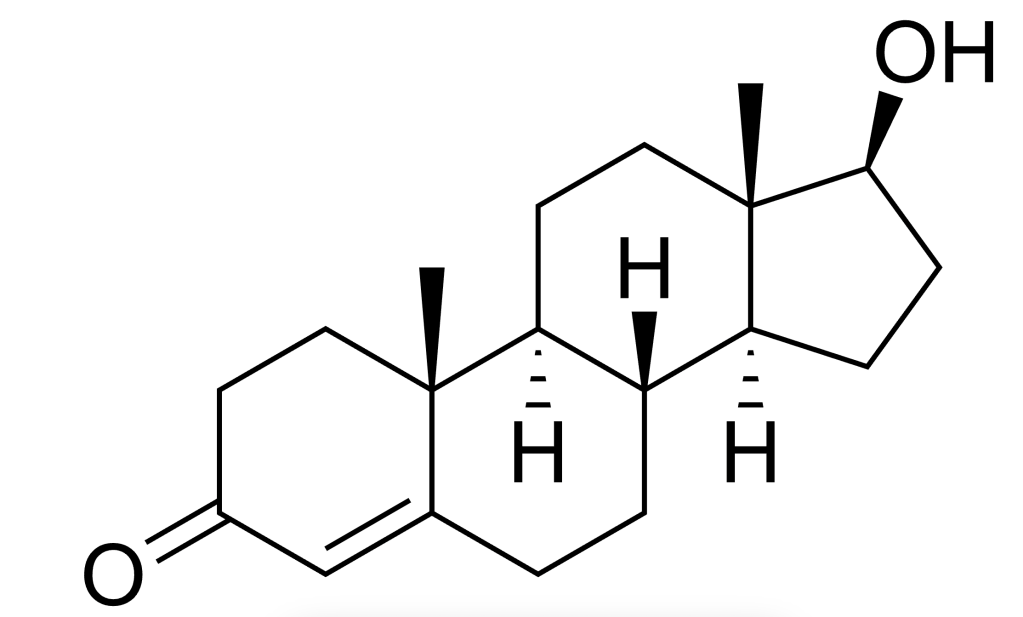
Image: Testosterone molecule, a major androgen
The ripple effect
Mood, sleep, stress, metabolism — everything feels the shift. Not because anything is broken, but because the whole system is adjusting.
Are there medical tests?
Blood test cannot diagnose “andropause” as a single disease or explain every symptom. But a male hormone blood test can be done to check whether the symptoms you are experiencing are linked to falling androgens (like testosterone) or rising brain hormones (FSH/LH).
These tests typically measure:
- Total testosterone total testosterone Low levels are a hallmark of andropause.
- Free testosterone free testosterone Shows how much active testosterone is available in the body.
- SHBG (sex hormone–binding globulin) SHBG This protein affects how much free testosterone is usable.
- LH (luteinising hormone) LH Helps show whether the testes or the brain are causing the low testosterone.
- FSH (follicle-stimulating hormone) FSH Helps assess testicular function and sperm production.
- DHEA-S A precursor hormone that supports testosterone production.
These markers together give a picture of whether a man’s symptoms — low libido, low energy, mood changes, muscle loss — are linked to hormonal shifts.
Medical intervention
Medical treatment can help, but it cannot “cure” andropause. And on its own, medication can’t undo symptoms driven by stress, burnout, or the pressures of work, money, or family life. There’s no magic pill — but there is support.
It’s worth speaking with your doctor about having a blood test and exploring treatment options that may ease symptoms and support your wellbeing. This might include:
- Testosterone Replacement Therapy (TRT) Testosterone Replacement Therapy
- Addressing reversible causes of low testosterone (such as obesity, alcohol use, or certain medications) reversible causes of low testosterone
- Managing individual symptoms like erectile dysfunction managing individual symptoms
A conversation with your doctor can open doors to real help. You don’t have to navigate this in silence.
BUT not just testosterone!
In recent months, testosterone replacement therapy has been aggressively promoted as a catch‑all solution for low libido and the broader emotional and physical challenges of midlife. Even women are now demanding testosterone.
But leading clinicians are urging caution despite the positive benefits for some, despite the many positives for certain cohorts.In a BBC article, Dr Paula Briggs, NHS consultant in sexual and reproductive health, has described the surge in testosterone marketing as a “gravy train” — a commercial push that risks convincing women to pay substantial sums for treatments they neither need nor benefit from.
Take K, for example — a lawyer in his forties who began experiencing persistent fatigue, low energy and disrupted sleep. It would have been easy to attribute these symptoms to midlife pressures or hormonal shifts. But a routine blood test revealed something unexpected: K had markedly low serum folate levels, despite eating a balanced diet and not drinking heavily. The underlying cause was surprising. In an effort to “stay healthy,” K had begun drinking green tea daily. Green tea contains catechins — compounds that can interfere with folate absorption — and this well‑intentioned habit had inadvertently created a deficiency, causing K’s symptoms which could have so easily been attributed to andropause.
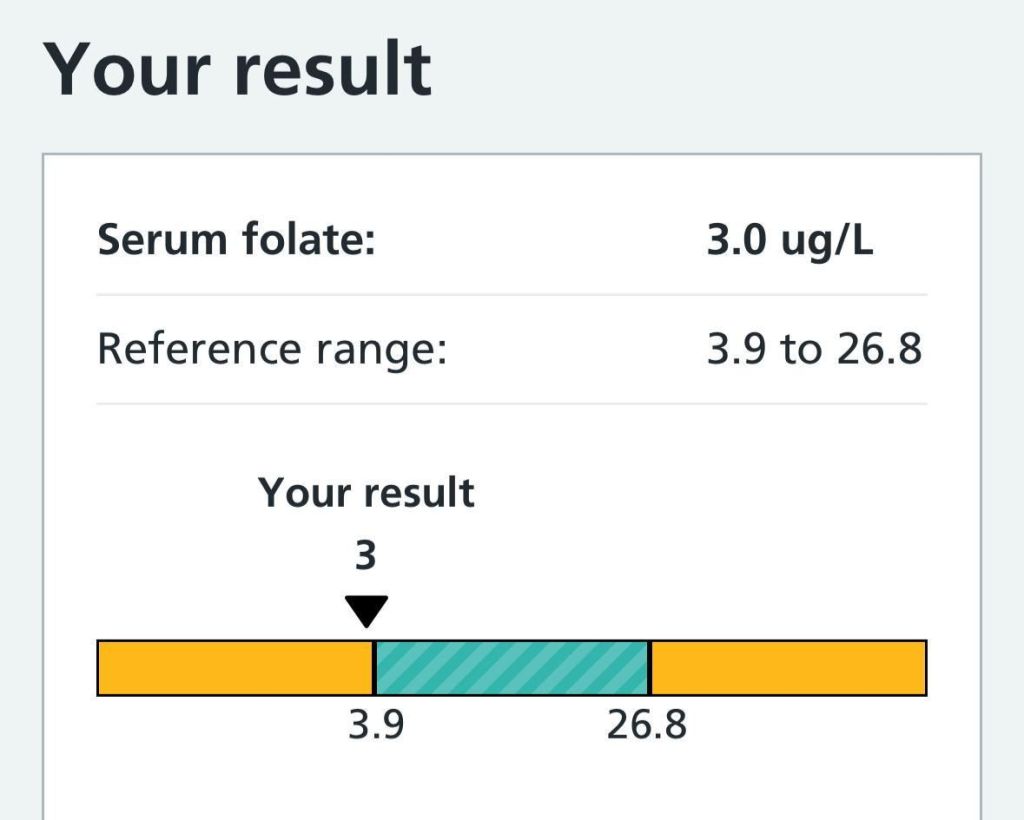
Image: K’s blood test result.
Not just hormones
Sometimes it isn’t just hormones or dietary changes (as in K’s case) shifting in the background — it’s life piling on in the foreground.
Midlife brings its own weather system: career pressure, money worries, family responsibilities, and the quiet hum of stress and anxiety that men often carry without saying a word.
All of that can blur into the same symptoms that show up in andropause. The tiredness. The low mood. The irritability. The sense of “I’m not myself lately.”
It’s not weakness. It’s not failure. It’s a man navigating hormones and the weight of real life at the same time.
A holistic approach
Men don’t talk about their worries to other men. Not really. Imagine trying to open up about erectile dysfunction — most men would rather chew glass. It took years for conversations about prostate cancer screening to become normal.
But andropause symptoms? For many men, that still feels like crossing a line. “Tough men” don’t talk about low mood, low libido, night sweats, or feeling unlike themselves.
And yet staying silent — not opening up, not seeking support — often makes the symptoms heavier, not lighter. No one should have to carry this alone.
- men don’t talk about their worries
- opening up feels impossible
- andropause and the symptoms still feel taboo
- silence makes symptoms worse
A holistic approach can make a real difference — whether you’re managing andropause without medication or using it alongside other support. Keeping your body active through regular exercise and sport helps stabilise energy and mood. Protecting your emotional wellbeing by prioritising mental health builds resilience when life feels heavy. Simple habits like unwinding before sleep can improve rest, and staying connected with friends who lift you up keeps you grounded and less alone. These small, steady choices work together to support your hormones, your confidence, and your overall sense of balance.
Join Our Andropause Community
In the months ahead, we’re opening the door to something men rarely get: real stories from real men navigating andropause. Not medical charts. Not stereotypes. Just honest voices talking about what’s changing, how they feel, and how they’re finding their way through this stage of life, what medical intervention or lifestyle changes they have undertaken.
If you’re noticing shifts in your energy, mood, confidence, or body — you’re not alone. And your story matters more than you think.
We’re building a space where men can share, learn, and feel understood. A place where midlife doesn’t feel like a crisis, but a conversation.
Want to be part of it?
If you’re noticing shifts in your body, your energy, your confidence, or your mood, you don’t have to navigate it alone.
We’re building a space where men can finally talk — honestly, safely, without judgement. A place to share what’s changing, what’s confusing, what’s worrying, and what’s getting better. A place to realise you’re not the only one feeling this.
Join the conversation. Add your voice. Help shape a community built on honesty, strength, and connection.
- men supporting men
- honest conversations
- a safe place to talk
- you’re not alone
Drop us an email at hello@sofiaa.com. Ready when you are.
Start a conversation in your workplace!
Bring the SOFIAA team to your organisation for the conversation everyone needs but few are having. Our speakers deliver warm, science‑led, deeply relatable sessions on midlife hormonal change — for all genders. Blending expertise, humour and real‑world insight, we break down the M‑word and the men’s midlife shift with honesty and energy. If you want an engaging, eye‑opening event that leaves people informed, empowered and talking long after it ends, invite SOFIAA to lead the discussion. This is The Most Important Conversation You’re Not Having (Yet).
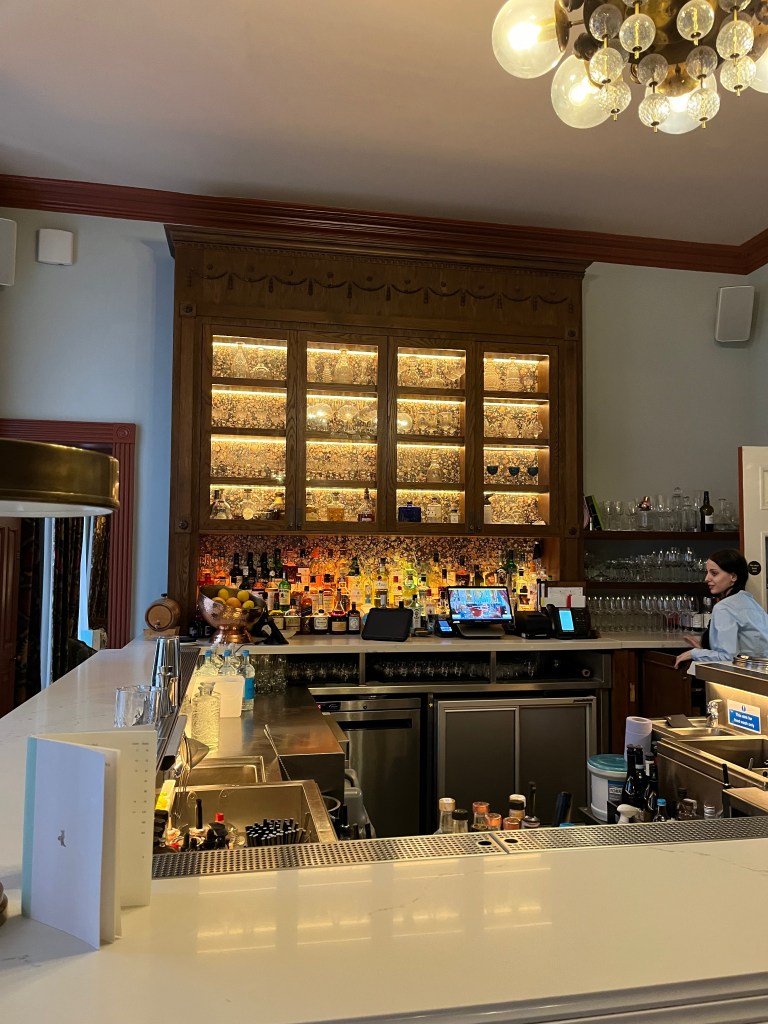
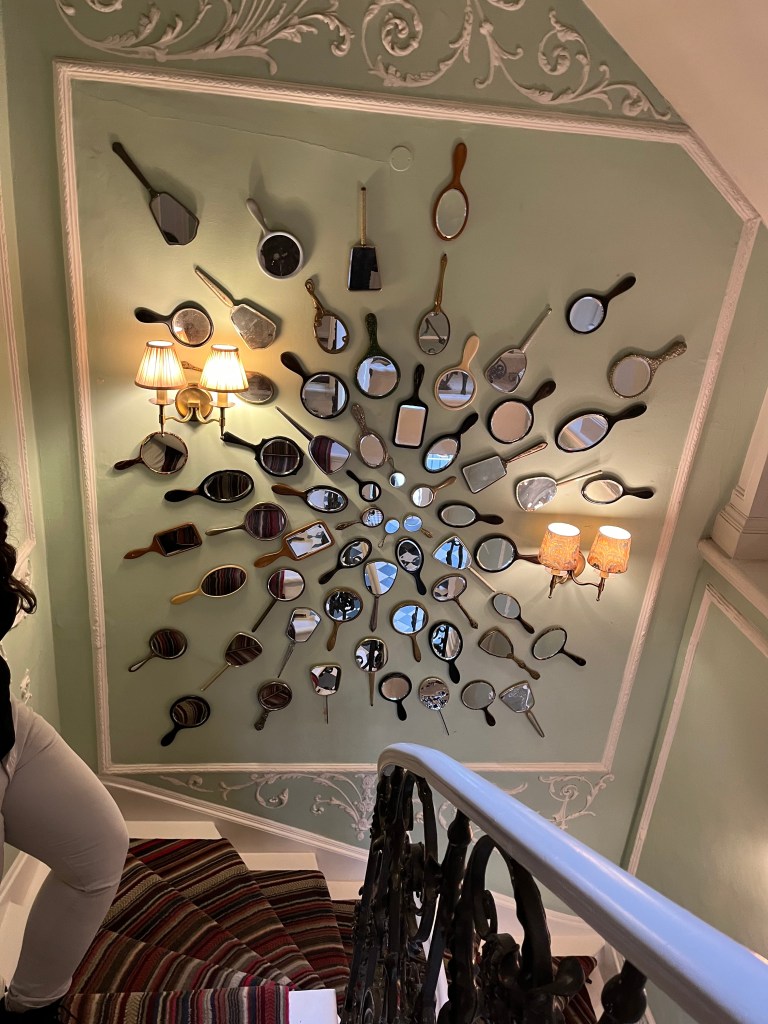
Our venue for The Midlife Upgrade at London’s premier private club Home Grown (part of Home House) on 25th March 2026:
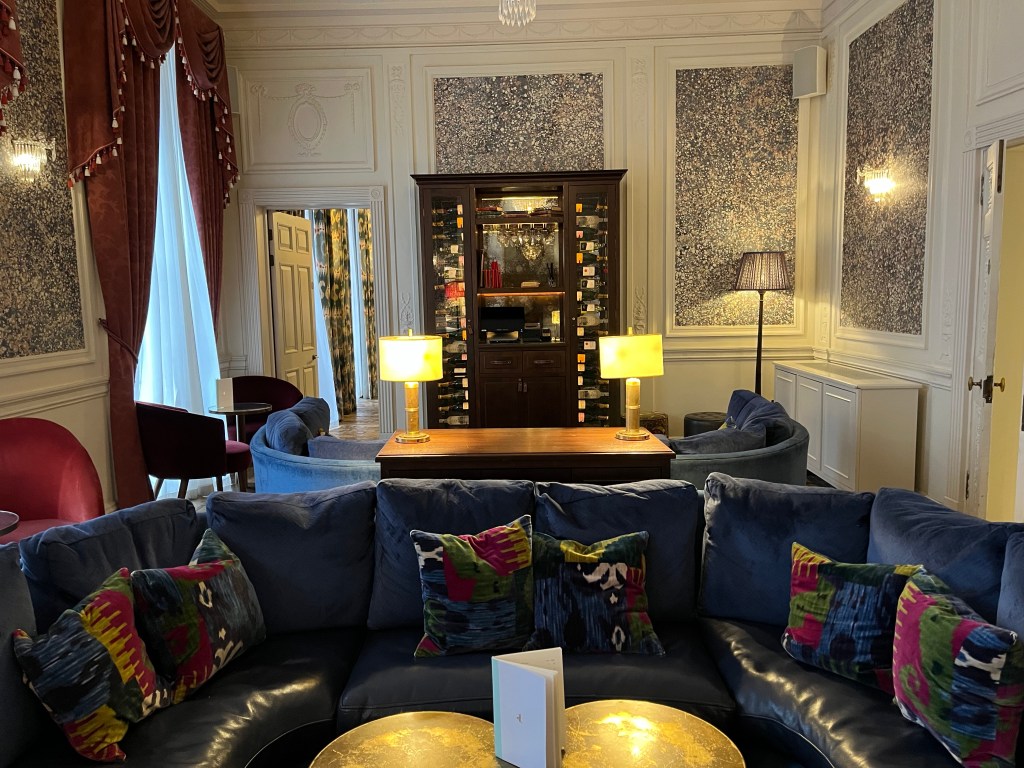
Download our brochure by clicking this link
 www.Fab4050.com